

 What Is Neuropathy?
Neuropathy, or peripheral neuropathy, refers to damage or dysfunction of the nerves outside of the brain and spinal cord. These nerves carry signals between the body and the brain, including sensation, movement, and pain.
When nerves are irritated or damaged, signals can become distorted, leading to symptoms such as:
- Burning or sharp pain
- Tingling or “pins and needles”
- Numbness or reduced sensation
- Muscle weakness
- Increased sensitivity to touch
Neuropathy most commonly affects the feet and legs, though it can also occur in the hands and arms.
There are different types of nerves that may be involved. For this reason, symptoms can vary widely from person to person.
Common Symptoms of Neuropathy
Patients often describe:
- Burning pain in the feet or toes
- Tingling or prickling sensations
- Numbness
- Sharp, electric-like pain
- Sensitivity to socks, shoes, or bedsheets
- Balance issues or falls
These symptoms may start gradually and worsen over time if the underlying cause is not addressed.
What Causes Neuropathy?
Neuropathy is not a single condition-it can result from many different factors, including:
- Diabetes or blood sugar problems
- Vitamin deficiencies (especially B vitamins)
- Thyroid, kidney, or liver disease
- Alcohol use
- Autoimmune or inflammatory conditions
- Chemotherapy or certain medications
- Nerve compression or trauma
- Spine conditions
- Poor circulation
- Idiopathic (unknown) causes
The Role of Inflammation in Neuropathy
In addition to these causes, chronic inflammation plays a key role in the development and progression of neuropathy.
When the body is under stress, it activates inflammatory pathways. While this is a normal response, prolonged inflammation can begin to damage nerves and increase pain sensitivity.
Research has shown that:
- Hypoxia-inducible factor (HIF-1α) is involved in promoting inflammation under stress conditions
- Pro-inflammatory cytokines contribute to the development and persistence of nerve pain
In simple terms, inflammation can make nerves more sensitive and reactive, leading to symptoms like burning, tingling, and discomfort-even without ongoing injury.
This is why effective treatment often focuses not just on the underlying cause, but also on reducing inflammation and calming irritated nerves.
Why Medical Evaluation Matters
Not all nerve symptoms are caused by generalized neuropathy. In some cases, symptoms may come from:
- Nerve compression (such as tarsal tunnel syndrome)
- Spine-related nerve irritation
- Localized foot conditions
- Biomechanical issues affecting pressure and movement
Identifying the exact cause is critical to choosing the right treatment.
What Is MLS Laser Therapy?
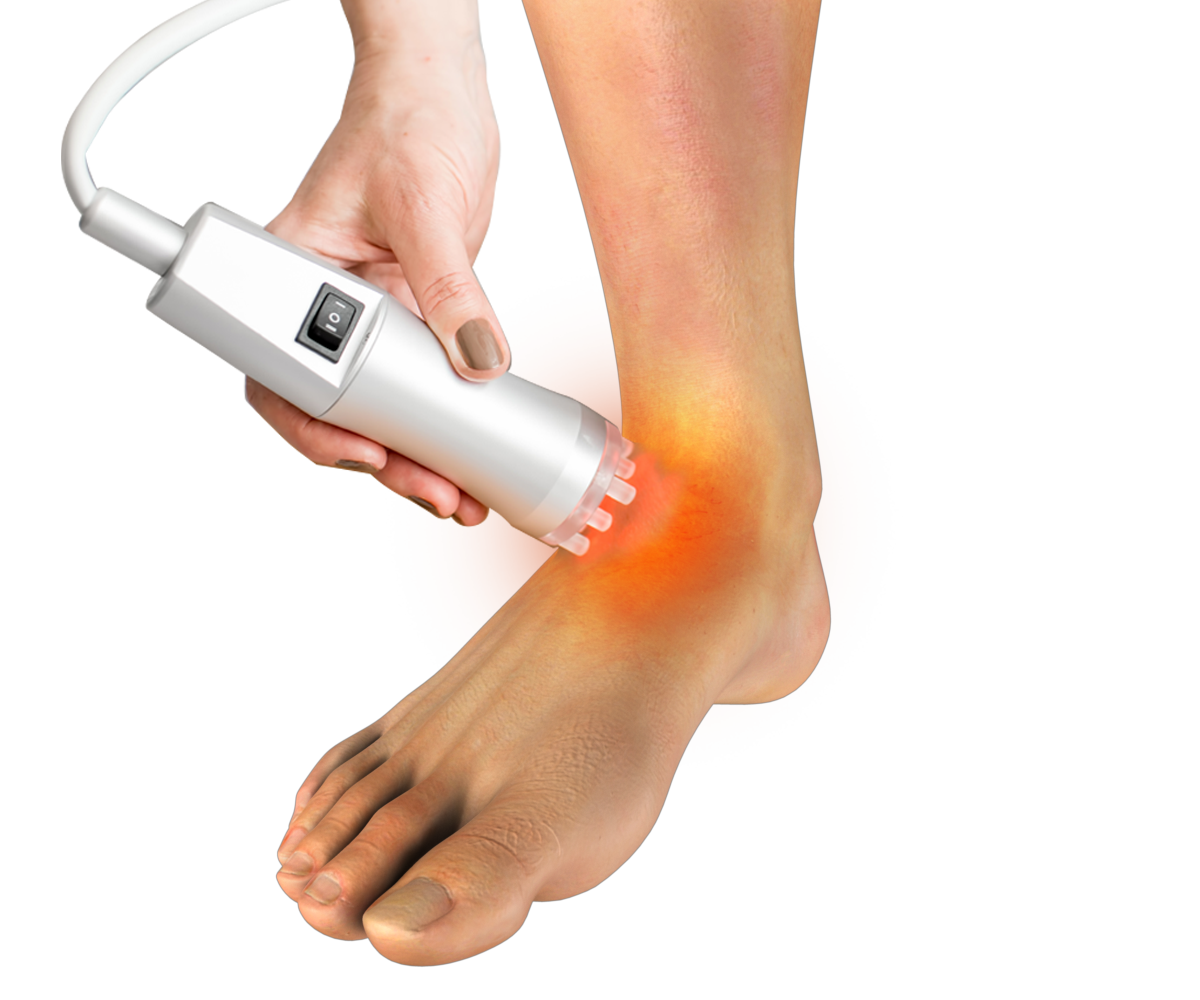
MLS laser therapy is a non-invasive treatment that uses specific wavelengths of light to help reduce pain and inflammation while supporting the body’s natural healing processes.
It is commonly used in orthopedic care as part of a broader treatment plan for nerve-related pain, inflammatory conditions, post-operative recovery, and acute injuries.
How MLS Laser Therapy May Help Neuropathy Symptoms
MLS laser therapy helps address two key drivers of neuropathy symptoms: inflammation and impaired nerve function.
Reducing Inflammation and Nerve Irritation
Chronic inflammation can increase nerve sensitivity and worsen pain. MLS laser therapy has been shown to influence inflammatory processes at the cellular level.
Research suggests that MLS treatment increases levels of specific proteins with anti-inflammatory effects such as NLRP1. This protein helps inhibit pathways that produce inflammatory cytokines such as:
- Interleukin-1 beta (IL-1β)
- Interleukin-18 (IL-18)
By reducing these inflammatory signals, MLS laser therapy may:
- Decrease inflammation in affected tissues
- Reduce swelling
- Improve circulation
- Lower nerve sensitivity
As inflammation decreases, patients may experience reduced pain and improved comfort.
Supporting Nerve Healing and Function
In addition to reducing inflammation, MLS laser therapy supports the body’s natural repair processes.
Research has shown that laser therapy may:
- Promote axonal growth (regeneration of nerve fibers) in animal models
- Support recovery of nerve function
- Help preserve muscle mass
- Encourage faster remyelination, improving nerve signal transmission
These effects may contribute to gradual improvement in symptoms over time.
What This Means for Patients
MLS laser therapy does not cure neuropathy or reverse all nerve damage. However, it may help:
- Reduce pain and inflammation
- Improve nerve function
- Enhance comfort and mobility
It is typically used as part of a comprehensive treatment plan tailored to the individual patient.
Sources:
Mezzalira M., D’Angelo G. Laser therapy in the management of neuropathic pain: preliminary experience on 43 patients. Energy for Health.
Journal of IMAB. Lili Yosifova, et. al. Effects of MLS-Laser on Neuropathic Pain in Diabetic Sensomotor Neuropathy
What to Expect During Treatment
MLS laser therapy is:
- Non-invasive
- Painless for most patients
- Performed in-office
- Completed in a series of treatments
When to Schedule an Evaluation
You should consider an evaluation if you have:
- Persistent burning, tingling, or numbness
- Pain affecting sleep or walking
- Diabetes with foot symptoms
- Worsening or unexplained nerve pain
Schedule a Consultation
Neuropathy can be complex, but you don’t have to manage it alone. A proper evaluation can help identify the cause and create a treatment plan tailored to your needs.
If you are experiencing nerve-related foot or leg pain, schedule an evaluation with our providers at Multnomah Orthopedic Clinic today to learn whether MLS laser therapy may be right for you.